
Factory New Ammo: What It Means and Why It Matters for Reliable Firearm Performance
Factory new 5.7x28mm Ammo for Sale ammunition is loaded to exacting specifications, yet its primers alone can ignite in under two milliseconds, delivering near-instantaneous ignition for consistent chamber pressures. Unlike reloads, this ammo uses virgin brass, fresh propellant, and newly manufactured projectiles, ensuring uniform ballistics that maximize accuracy and reliability straight out of the box. To use it effectively, simply chamber a round, confirm your firearm’s correct caliber, and expect repeatable performance across every shot, as the sealed manufacturing process prevents moisture ingress and degradation over extended storage.

What Makes Fresh-Out-of-the-Box Ammunition Different From Reloads or Surplus?
Fresh-out-of-the-box ammunition ensures **consistent factory new ammo** with virgin brass, uniform powder charges, and sealed primers, delivering predictable pressure curves and reliable ignition. Unlike reloads, which may have resized cases with weakened necks or variable crimp tension, new factory rounds are dimensionally perfect, feeding flawlessly in finicky firearms. Surplus ammo often suffers from unknown storage conditions, corrosive primers, or age-hardened propellant, causing velocity swings and extraction issues. Factory new ammo also eliminates the risk of double-charges or improper bullet seating inherent to handloads, giving you trust in every trigger pull. For defense or precision work, the **reliability of fresh-out-of-the-box ammunition** outweighs cost savings, as even a single malfunction in a life-or-death scenario is unacceptable. You are paying for quality control you cannot replicate at a reloading bench.
Key Differences in Manufacturing Consistency You Can Feel at the Range
Fresh factory ammunition delivers measurable manufacturing consistency you can feel at the range through uniform case walls and primer seating. Unlike reloads with variable powder charges or surplus with corroded primers, new ammo produces predictable recoil impulse—the same shoulder push round after round. At the bench, this shows up as tighter shot groups because bullet pull and neck tension are identical. You’ll notice chronograph spreads of under 15 fps versus 50+ fps from mixed lots. The extraction cycle also stays smooth: no stuck cases from over-sized resizing dies.
- First, cycle a fresh box—bolt lift feels identical each shot.
- Then, check target—vertical stringing is minimal due to consistent velocities.
- Finally, clean the chamber—factory brass lacks carbon fouling from previous firings.
That’s the tangible difference between new rounds and anything rebuilt or reclaimed.
Why Sealed Primer Pockets and New Brass Matter for Reliable Ignition
In factory-new ammunition, sealed primer pockets and virgin brass are foundational to reliable ignition because they eliminate variables introduced by previous firings. New brass offers consistent case wall thickness and internal volume, ensuring uniform pressure curves that drive dependable primer strike-to-flame propagation. Conversely, reloaded brass often exhibits stretched primer pockets, which can loosen under pressure, allowing gas to escape rearward and reduce the explosive force needed to ignite the propellant reliably. Sealed pockets prevent moisture and combustion contaminants from degrading the priming compound during storage. Surplus ammunition, with its aged primers and resized cases, frequently suffers from inconsistent seating depth or residual corrosion, leading to delayed or weak ignition. Fresh brass’s pristine flash holes and uniform anvil geometry guarantee the primer’s shockwave reaches the powder charge predictably, shot after shot.
How to Verify You’re Getting Genuine First-Run Cartridges, Not Repackaged Stock
To confirm you’re receiving factory new ammo rather than repackaged stock, inspect the box’s seal and primer crimp. Genuine first-run cartridges feature intact factory crimps—small, uniform staking marks around the primer pocket—while reloads show smooth or irregular edges. Check the case mouth for a distinct taper or cannelure absent in reworked brass; new rounds also have a consistent, glossy lacquer or polymer coating where applicable. Weigh a sample cartridge against the manufacturer’s published spec—a deviation of more than 0.5 grains signals mixed headstamp or reused cases. Examine the headstamp depth and font alignment; stamped-over or faint lettering indicates resurfacing. Finally, shake the box—loose, rattling rounds suggest poor resizing, whereas factory ammo sits snugly in its tray with no movement. Trust only sealed, batch-coded packaging from authorized distributors.
Reading Headstamps, Box Seals, and Lot Numbers Like a Pro
Start by reading the headstamp like a factory inspector—the stamped ring on the case base tells you the exact plant, caliber, and year of manufacture, so cross-check that against the box’s printed lot number for a match. Next, peel back the box seal slowly; genuine first-run cartridges have a crisp, unbroken adhesive line, while 7.62×51 Ammo for Sale repackaged stock often shows wrinkles, dust, or a re-stick residue. Finally, verify the lot number’s format—two letters and four digits (e.g., AB2407) is common, but the key is that it should align with the headstamp’s date code, not be a random string. If the lot number feels generic or the seal looks tampered, you’re likely staring at old rounds re-boxed as new.
Master the headstamp, 5.56 Ammo for Sale inspect the seal’s integrity, and match the lot number to the stamp—this trio instantly exposes repackaged stock.
Spotting the Subtle Signs of Aging or Improper Storage Before You Buy
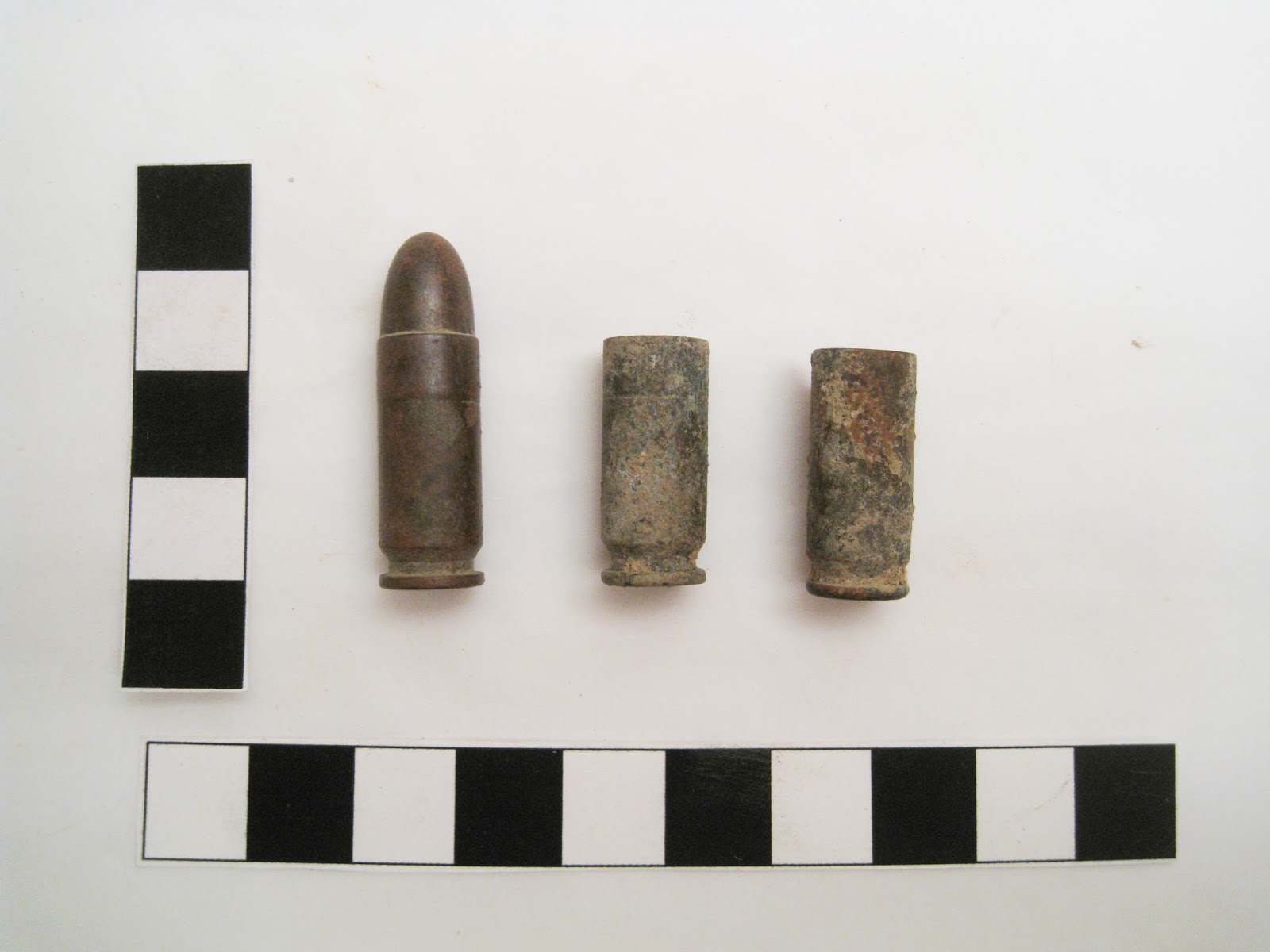
Before you hand over cash, give the box a once-over for subtle signs of aging or improper storage that scream repackaged or old stock. Check the primer pockets for tiny rust specks or a dull, powdery ring—fresh rounds look clean and bright. Crimp marks on the case mouth that seem uneven, or a slight green tint near the brass, point to long-term humidity exposure. Squeeze the cartridge: a loose bullet that wiggles in the case means the neck tension is shot from heat cycling. Also, .17 HMR Ammo for Sale look for faded lot numbers or smudged ink on the primer sealant, a dead giveaway it’s been sitting too long. Corrosion spots on the bullet itself are a hard no.
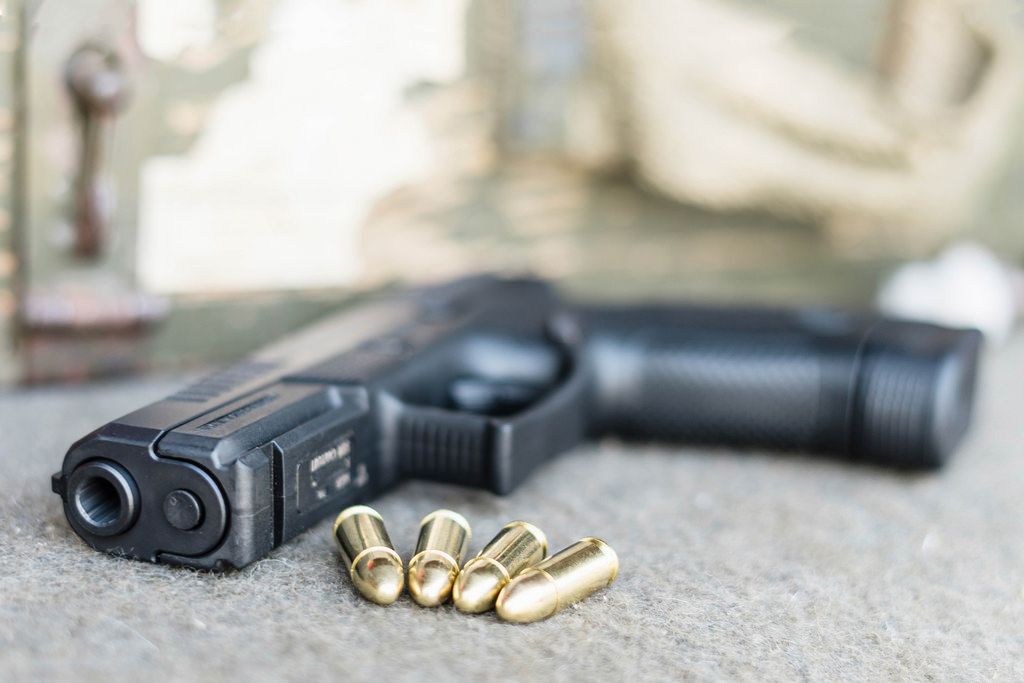
- Inspect case mouths for discoloration or dents.
- Roll a few rounds on a flat surface—warped cases wobble.
- Smell inside the box; musty or chemical odors signal bad storage.
What Performance Gains Should You Expect From Unfired, Fresh-Lot Rounds?
With factory-new, fresh-lot ammunition, the primary performance gain is **predictable consistency** across shot-to-shot velocity and pressure, directly translating to tighter vertical dispersion at distance compared to aged or unknown-storage lots. You can expect negligible velocity variation (often under 15–20 fps standard deviation), which minimizes elevation shifts when holding over. Unfired rounds also eliminate the risk of primer degradation or propellant breakdown that causes hang-fires or erratic ignition, so your point-of-impact remains stable from the first round through the final one. However, gains are marginal over quality stored older ammunition; you are essentially buying reduced variance in chamber pressure and muzzle velocity, not raw speed or energy. Q: Will fresh-lot rounds add yards to my effective range? A: No, but they tighten your group’s vertical spread at existing ranges, making holdovers more reliable. This matters most for precision shooting, not hunting or plinking.
Velocity Consistency and Pressure Stability From the First Shot to the Last
With unfired, fresh-lot rounds, velocity consistency from the first shot to the last remains tight because virgin brass and sealed primers eliminate variable case expansion and powder degradation seen in aged stock. Pressure stability is equally predictable: each cartridge in the lot shares identical propellant weight and seating depth, so specialty sports & supply peak pressure builds uniformly, avoiding the spiking or drooping that occurs with reworked or long-stored ammunition. This means your point of impact and recoil impulse stay constant across a full magazine or box, letting you trust your holds without compensating for drift. Even a 10–15 fps spread across 50 rounds is typical, but the real gain is that this spread does not widen as you fire.
- Chronograph data from fresh lots shows standard deviations under 10 fps from round one through the last.
- Uniform neck tension prevents pressure spikes that cause bolt lift or primer flattening mid-string.
- No lot-to-lot moisture absorption keeps burn rate stable, so muzzle velocity does not sag after the first few shots.
- Fresh primer compound ignites identically every time, eliminating cold-start pressure lag.
How Clean-Burning Powder and Fresh Primers Reduce Fouling in Your Barrel
Fresh-lot factory ammo often employs clean-burning propellant chemistry that leaves less carbon and unburnt powder residue in the bore. New primers, with their consistent ignition output, ensure the powder charge reaches peak pressure 7.62×39 Ammo for Sale uniformly, preventing sooty, low-temperature combustion that causes hard carbon rings. This translates to a fouling reduction that keeps your barrel’s rifling sharp for more shots. Specifically, you can expect:
- Faster, more complete combustion of each granule, so fewer sticky deposits cling to the lands.
- A stable flame front from the fresh primer, which minimizes the sticky, tar-like residue common with degraded or aged primers.
The result is that your cleaning intervals stretch and precision holds longer between patches, because the bore stays smoother and less contaminated.
Selecting the Right Freshly Manufactured Load for Your Firearm’s Action Type
Matching freshly manufactured ammo to your firearm’s action type is non-negotiable for reliability and safety. For semi-autos, choose factory new loads with full-power, consistent pressure curves to cycle the bolt forcefully; weak or underpowered cartridges cause stovepipes. Bolt actions tolerate a wider variety, but a crisp, freshly made round with a tight case rim ensures smooth extraction. Lever and pump actions demand rounds with a flat or round nose profile—especially in tubular magazines—to prevent chain detonations under recoil. Meanwhile, gas-operated rifles prefer freshly made ammo with clean-burning propellants to reduce carbon fouling in the piston system. Always verify the box’s velocity rating against your action’s spring tension, since factory-new load selection directly influences whether your gun cycles, feeds, and ejects flawlessly. When in doubt, stick to standard pressure loads for older or delicate actions, as freshly manufactured ammunition is spec’d to SAAMI guidelines for correct chamber fit.

Matching Bullet Weight and Profile to Your Twist Rate and Magazine Feed Ramp
Factory-new ammunition’s bullet weight must align with your barrel’s twist rate—heavier, longer projectiles demand faster twists (e.g., 1:7 for 77-grain) to stabilize, while lighter rounds suit slower rates (1:12 for 55-grain). Before bulk purchase, verify the bullet’s profile against your magazine feed ramp: flat-base or round-nose designs can snag on steep ramps, causing malfunctions, whereas boat-tails and polymer-tipped rounds feed smoother. For reliable cycling:
- Check your rifle’s twist rate (stamped on barrel) and match it to the bullet’s recommended weight range from the ammo maker.
- Test one box of factory loads, cycling them manually to observe ramp contact—look for Ammo Cans & Storage for Sale scratches on the bullet jacket.
- Choose a profile with a tapered ogive if your ramp is shallow, ensuring reliable magazine-to-chamber feeding without deformation.
Understanding Power Factor and Recoil Impulse for Pistol vs. Rifle Platforms
Understanding power factor and recoil impulse for pistol versus rifle platforms begins with how each action type manages pressure. For pistols, a lower power factor—typically under 125,000—ensures the slide cycles reliably without battering the frame, while recoil impulse feels sharp and snappy due to the short travel distance. Rifles, with their longer bolt travel and gas systems, tolerate higher power factors but demand a smoother recoil curve; excessive impulse can unlock the bolt prematurely or stress the extractor. Factory new ammo tuned for a pistol’s mass may feel violent in a lightweight rifle, yet the same load can under-cycle a stiff pistol spring. Always match the cartridge’s power factor to your firearm’s spring rate and buffer weight, as recoil impulse consistency matters more than peak force for reliable feeding. A pistol needs a brisk, complete stroke; a rifle needs a measured, sustained push.
Practical Steps for Breaking In a New Gun With Unfired Commercial Rounds
To break in a new firearm using factory new ammo, begin with a thorough field-strip and light lubrication of the bolt and slide rails, as unfired commercial rounds rely on smooth cycling to seat properly. Fire the first 50 rounds in single shots, allowing the action to return to battery fully before the next trigger pull—this lets the barrel and chamber heat evenly without pressure spikes. After each magazine, run a bore snake with a light oil patch to remove copper fouling from the new rifling, but do not scrub aggressively. Shoot the next 100 rounds in controlled five-shot strings, 7mm PRC Ammo for Sale checking for stiff extraction or failure to feed, which indicates tight tolerances that need friction wear. For the final 50, use a standard cadence and clean only the chamber and locking lugs, leaving the bore’s carbon to stabilize accuracy.
Factory new ammo’s consistent pressure curve is the ideal medium for seating the barrel’s throat and polishing the feed ramp—avoid high-velocity loads during the first 200 rounds.
A Simple 50-Round Procedure to Seat Springs and Smooth the Trigger
To smooth a gritty trigger and seat recoil springs with factory new ammo, dedicate your first 50 rounds to a deliberate cadence: fire one round, then dry-fire (with snap caps) five times, repeating until the box is empty. This cycling pressure sets the trigger bar’s sear engagement while the slide’s inertia gradually compresses the mainspring’s coils. Focus on a slow, steady trigger .17 WSM Ammo for Sale press for each live round, letting the reset click audibly before the next shot. By round 40, you’ll feel the wall become crisper and the break cleaner. This spring-seating trigger ritual transforms a stiff action into a predictable, competition-ready pull.
- Alternate 1 live round with 5 dry-fire snaps to accelerate sear polishing.
- Keep the slide locked back for 2 minutes after each magazine to relax recoil spring tension.
- Use only factory new ammo to ensure consistent pressure for proper spring compression.
- Stop if the trigger feels gritty beyond round 30—lubricate the sear, then resume.
Tracking Accuracy Data From the First Box to Establish a Baseline Zero
Before altering windage or elevation, shoot a 7.62x54R Ammo for Sale strict five-shot group at your intended zero distance using only the first box of factory new ammo. This establishes a baseline zero by recording the group’s center-of-impact relative to the point of aim, not just the tightest hole. Track each shot’s position on a target or app, noting vertical and horizontal dispersion separately, since a new barrel’s fouling and seating can shift impact during the first 20 rounds. Do not chase fliers—instead, average the five centers to fix a reference point. Compare this data against later boxes only after the same ammo lot and cleaning routine, ensuring any subsequent shifts reflect barrel conditioning, not ammo variance. Cold-bore shift measurements, taken from a clean barrel on day one, also belong in this zero log.
Storage and Handling Tips to Keep Your Pristine Rounds in Peak Condition
Proper storage and handling tips begin by keeping factory new ammo in its original sealed packaging until use, which protects primers and powder from moisture and contaminants. Store boxes in a cool, dry environment below 85°F with stable humidity; a sealed ammo can with desiccant packets offers the best defense against corrosion. Avoid temperature extremes, as condensation from rapid shifts can tarnish brass and degrade sealants. When handling pristine rounds, use clean, dry hands or cotton gloves to prevent skin oils from accelerating case tarnishing. Always check for dents or loose bullets after transport, and rotate your stock using the oldest date first. Never oil the cartridges themselves, as lubricants can penetrate the primer pocket and cause misfires. For peak condition preservation, keep ammunition elevated off concrete floors to prevent moisture wicking.
Controlling Humidity and Temperature to Preserve Primer Sensitivity
Controlling humidity and temperature to preserve primer sensitivity begins with recognizing that moisture degrades the chemical compound in factory-new primers, while heat accelerates its breakdown. Keep your ammo in a sealed, airtight container with desiccant packs to maintain a stable relative humidity below 30%, as condensation on the primer cup directly deactivates the impact-sensitive mixture. Store at a consistent 50–65°F (10–18°C), avoiding attics or garages where thermal swings cause internal sweating inside the cartridge. Stable environmental control for primer longevity requires monitoring both metrics weekly, not just seasonal checks. For optimal results:
- Hygrometer-check your safe or cabinet monthly to flag humidity spikes.
- Rotate desiccants every three months, recharging them in a low oven.
- Never place rounds near heat vents or refrigeration units, as rapid temperature shifts fracture the primer seal.
Rotating Your Stockpile—How to Use Oldest Lots First Without Breaking the Seal
Rotating your stockpile preserves factory-new performance by ensuring you shoot the oldest lots before they degrade from prolonged storage, yet you never crack the original seal prematurely. Maintain a written lot ledger on the container’s exterior, recording purchase date and lot number, so you identify the oldest unit without opening it. When you need practice ammo, pull the oldest sealed box, open it, and fire it completely before touching newer lots—this keeps every remaining round in pristine, factory-sealed condition. For bulk cans, use a sharpie-dated outer label and shake-test for powder flow through the intact seal, but only breach when that lot is next in line.
- Record lot numbers and dates on the outside of each sealed case or can.
- Use the oldest sealed unit first, even if a newer lot is more convenient.
- Never unseal a container until you are ready to shoot that entire lot.
- After opening, transfer unused rounds to a labeled, airtight desiccant tube—never re-seal the original factory package.