
The Allure of Chance and Uncertainty
The fundamental allure of casinos lies in the unpredictable nature of chance and uncertainty that they provide. Gamblers are often drawn to casino games by the thrill of not knowing whether they will win or lose. This uncertainty activates the brain’s reward pathways, similar to the effects of other pleasurable activities. For those looking for the thrill of chance, finding the best online pokies australia real money can enhance the excitement of the unknown and create an exhilarating experience, compelling players to return time and again in hopes of striking it rich. The excitement of the unknown is a powerful motivator that keeps the gambling environment vibrant and engaging.
This connection between chance and excitement can be understood through psychological theories such as variable ratio reinforcement. This principle suggests that rewards delivered at unpredictable intervals lead to higher rates of engagement than fixed rewards. The anticipation of a win—akin to waiting for a lottery ticket to be drawn—keeps players engaged, reinforcing the cycle of play and encouraging them to keep trying their luck even after losses. This dynamic creates a compelling feedback loop where the excitement of potential rewards outweighs the rational assessment of risks involved in gambling.
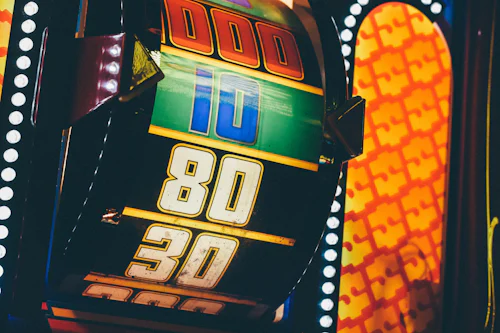
Moreover, the design elements of casino environments further enhance this allure. Bright lights, enticing sounds, and vibrant colors are all meticulously designed to stimulate excitement and prolong play. The ambiance of a casino is crafted to evoke feelings of joy and anticipation, which keeps players immersed in the gambling experience. This sensory experience is not merely coincidental; it is a calculated strategy to create an environment where players feel energized and eager to continue playing. In essence, the combination of chance and carefully curated environments creates a compelling reason for individuals to indulge in casino play.
The Role of Emotional Experience in Gambling
The emotional aspect of gambling is a powerful driver for many players. The rush of winning can elicit euphoric feelings, while the tension of potentially losing can heighten emotional engagement. This duality can lead to a rollercoaster of feelings, where gambling becomes not only about monetary stakes but also about the thrill of emotional highs and lows. Players often seek the emotional experiences intertwined with gambling, which can lead to repetitive behaviors as they chase the next big win. The highs and lows of gambling create an emotional landscape that can be addictively compelling.
Understanding this emotional connection reveals why some players may struggle to walk away, even when experiencing losses. The fear of missing out on the next winning opportunity can dominate their decision-making, leading to a phenomenon known as “loss chasing.” This occurs when gamblers continue to bet in an attempt to regain lost money, believing that a change in luck is just around the corner. The drive to experience those highs can overshadow rational thinking, contributing to riskier behaviors. This relationship between emotion and decision-making highlights the need for self-awareness among players regarding their gambling behavior.
Additionally, the social dimensions of gambling enhance emotional experiences. Many players enjoy the camaraderie of gambling with friends or fellow players, fostering a communal atmosphere that intensifies the excitement. This social interaction can serve as a buffer against the negative feelings associated with losses, as players share their experiences and emotions with others who understand the thrill of the game. The social context in which gambling occurs can amplify both the enjoyment and the emotional stakes involved, making the experience richer and more complex. Thus, the emotional aspect of gambling is a complex interplay between risk, reward, and social engagement.
The Impact of Cognitive Biases on Gambling Behavior
Cognitive biases significantly shape how gamblers perceive their chances of winning and losing. One prevalent bias is the “illusion of control,” where players believe they can influence outcomes in games of chance through their actions or strategies. This belief may lead players to engage in superstitious behaviors, such as wearing lucky clothing or following specific rituals before placing bets, fueling their sense of control even in unpredictable environments. This illusion can create a false sense of security, encouraging players to take risks they might otherwise avoid.
Another relevant cognitive bias is the “gambler’s fallacy,” which refers to the mistaken belief that past outcomes influence future results in random events. For example, a player may think that after a series of losses, a win is due, disregarding the independent nature of each game round or hand. This thinking can lead to increased risk-taking, as gamblers chase perceived trends instead of recognizing the true odds at play. These cognitive distortions can result in players making decisions that are not grounded in reality, further entrenching them in the gambling cycle.
These cognitive biases illustrate the complexities of gambling behavior, revealing how psychological factors can distort rational decision-making. Understanding these biases can help in developing strategies for responsible gambling by highlighting the importance of being aware of one’s thoughts and beliefs regarding chance and luck. Ultimately, awareness can empower players to make more informed choices and mitigate the risks associated with gambling. By recognizing the influence of cognitive biases, players can better navigate their gambling experiences and maintain a healthier relationship with gaming.
The Influence of Marketing and Design in Casinos
Marketing and design play critical roles in shaping the gambling experience and influencing player behavior. Casinos strategically employ branding and promotional campaigns designed to attract and retain players. These marketing efforts often highlight big wins and exciting experiences, further enticing individuals to participate in gambling activities. The portrayal of wealth and success in advertisements caters to the aspirations of potential players, making gambling appear even more appealing. This marketing strategy not only captures attention but also creates an aspirational narrative that many find hard to resist.
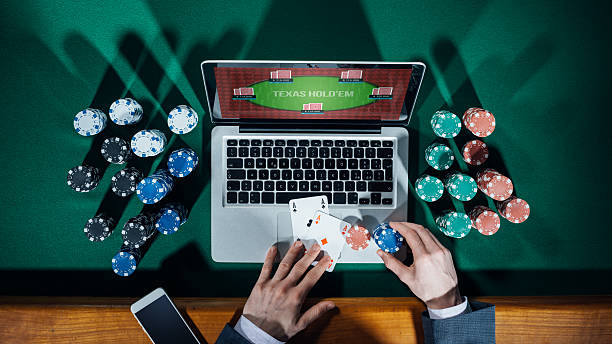
Beyond marketing, the physical layout and design of casinos contribute to player engagement. Often, casino floors are planned to encourage exploration and prolonged play, with games placed strategically to capture attention. The absence of windows and clocks in many establishments creates a timeless environment where players can easily lose track of time, further encouraging extended gaming sessions. These design elements work in tandem with the marketing strategies to create an environment where players feel compelled to stay, blurring the lines between leisure and gambling.
Furthermore, loyalty programs and bonuses are employed as psychological tools to enhance player retention. By offering rewards based on play frequency and activity, casinos create an incentive structure that encourages regular visitation. These programs can manipulate emotions and feed into the desire for social recognition, ensuring that players feel valued and motivated to continue engaging with the casino. The combination of enticing marketing, strategic design, and effective loyalty programs creates an immersive experience that capitalizes on players’ psychological tendencies, ensuring they remain engaged and eager to return.
Final Thoughts on Understanding Casino Psychology
Understanding the psychology behind casino play provides valuable insights into why individuals are drawn to gambling activities. Exploring the interplay of chance, emotional experiences, cognitive biases, and marketing strategies reveals the complex motivations that drive players. It is essential to recognize these elements to foster responsible gambling practices and promote player well-being. By understanding the underlying psychological factors, players can make more informed decisions regarding their gambling habits.
As players become more aware of the psychological factors at play, they can approach gambling with a more informed mindset. Awareness of cognitive biases, emotional triggers, and environmental influences can empower individuals to make better decisions regarding their gambling behavior. Ultimately, understanding these psychological dynamics can enhance the overall experience while minimizing the risks associated with casino play. This knowledge can serve as a foundation for healthier gambling practices and improved player satisfaction.
The exploration of casino psychology serves as a reminder that gambling is as much a behavioral and emotional experience as it is a game of chance. By recognizing the intricate web of psychological influences, both players and industry professionals can work towards creating a gambling environment that promotes healthy engagement and responsible play. As the industry evolves, fostering a deeper understanding of these psychological elements will be key to ensuring a positive experience for all involved.